


How to measure B2B event ROI from booth assets to pipeline
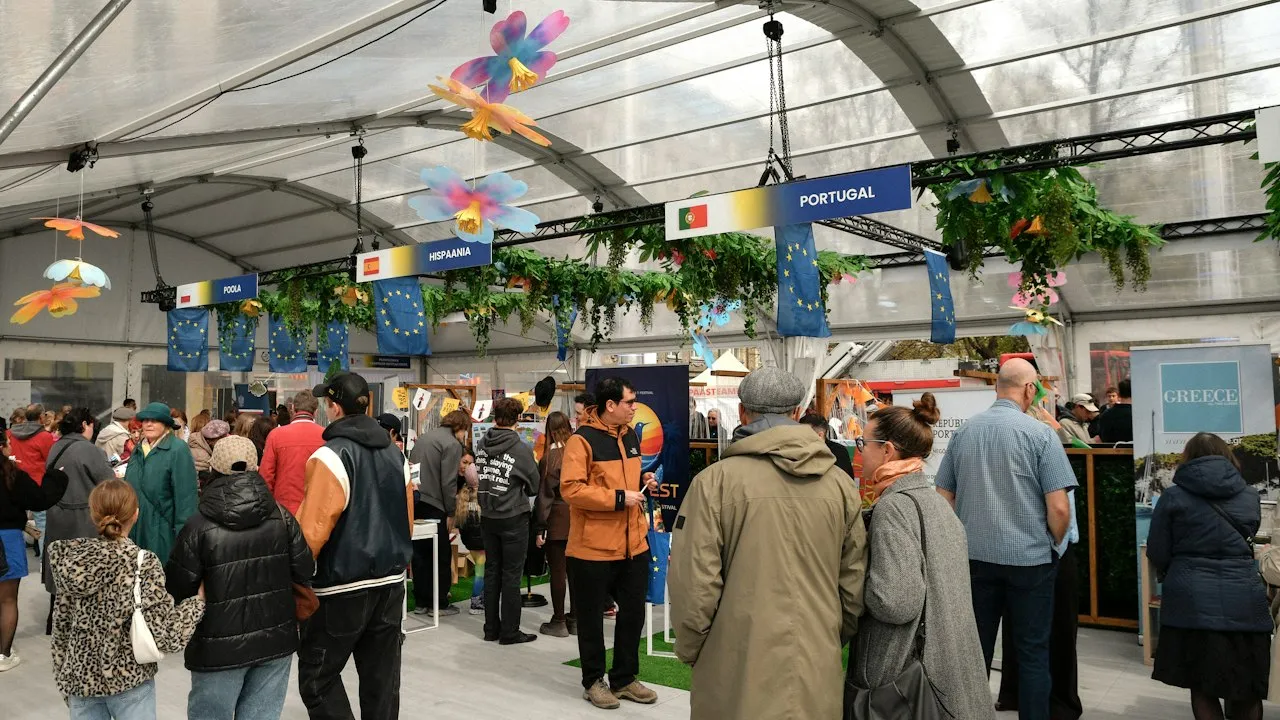
Trade shows, annual conventions and roadshows can absorb a substantial share of a B2B marketing budget. Venue hire, stand production, printed collateral, travel, staffing and lead follow-up all contribute to the final figure. To judge whether that investment paid off, you need a measurement model that treats booth design, printed assets and digital touchpoints as connected parts of one commercial system. The aim is not simply to count visitors, but to identify qualified pipeline and attributable revenue.
Start with a complete view of event investment
A reliable ROI calculation begins before the doors open. Many teams record the cost of floor space and booth printing, yet omit internal preparation time, agency fees, freight, speaker costs, promotional media, software licences and post-event outreach. These overlooked items can materially alter the return calculation.
Build a cost baseline with both direct and indirect spending. Direct costs include stand construction, graphic design, brochures, product samples, badges, travel and accommodation. Indirect costs include the hours spent by sales representatives, marketers, designers and leadership teams preparing for and attending the event. Assigning an internal hourly cost makes the true investment visible.
Digital event infrastructure also deserves a place in the baseline. Event landing pages, registration flows, product videos and lead-capture forms need dependable delivery when traffic spikes around a launch or keynote. Content delivery networks, cloud infrastructure and web performance monitoring can support fast, consistent experiences for visitors across locations. For technical context on these services, learn more about CDN and cloud delivery capabilities that can support campaign-facing digital assets.
Your baseline should also distinguish between reusable and event-specific assets. A modular booth system, evergreen product videos or adaptable visual templates may create value across multiple events. A date-specific brochure or a one-off installation should be allocated fully to the relevant show.
“An event delivers value when every interaction has a clear route toward a commercial outcome.”
Connect event engagement to sales-ready opportunities
Badge scans and footfall are useful operational metrics, but they do not measure business impact on their own. A crowded booth may generate little value if conversations involve students, competitors or contacts without purchasing influence. Define engagement metrics that lead naturally into your qualification process.
Start by agreeing what counts as a lead, a marketing-qualified lead and a sales-qualified lead. Your definitions should cover firmographic fit, buying role, stated need, estimated timing and next action. For example, a scan from a target-account operations director who requests a demonstration may qualify for immediate sales follow-up. A visitor who takes a catalogue without sharing business details may remain an awareness contact.
Booth design has a measurable role here. A clear value proposition, readable graphics and well-placed product demonstrations can attract the right visitors and help staff start more relevant conversations. Rather than asking whether a booth “looked good”, examine whether its design helped increase:
- meetings booked with target accounts;
- demonstration requests;
- completed qualification fields;
- content downloads linked to a known contact;
- post-event follow-up acceptance rates.
Use unique QR codes, landing pages and campaign parameters for each printed item. A brochure, signage panel or direct-mail invitation can then be connected to a specific digital action. This gives creative and print teams feedback beyond aesthetic approval, including which messages, formats and calls to action produce identifiable demand.
Track leads long enough to measure pipeline and revenue
Event ROI is often understated because teams stop measuring once the show ends. B2B sales cycles may take months, especially for higher-value contracts. Establish a tracking window that reflects your typical buying journey and review performance at scheduled intervals, such as 30, 90 and 180 days after the event.
Every captured lead should enter the CRM with a consistent event source, campaign name, event date and interaction type. Record whether the contact attended a meeting, scanned a specific QR code, joined a demonstration or requested a follow-up. Sales teams need clear ownership and a defined response-time target, since delayed contact can sharply reduce the value of an otherwise promising conversation.
For attribution, avoid claiming that an event alone created every deal. A prospect may have encountered paid media, webinars, sales outreach and the event before becoming an opportunity. Use a practical attribution approach that records the event as a touchpoint while also noting first-touch and final-conversion sources. Multi-touch reporting is often more credible for complex B2B journeys.
The core financial measures are straightforward:
- Pipeline value: the total expected value of opportunities linked to the event.
- Weighted pipeline: opportunity value multiplied by the recorded probability of closing.
- Revenue influenced: closed-won revenue where the event was a documented touchpoint.
- Event ROI:
(attributable revenue minus total event cost) / total event cost. - Cost per qualified opportunity: total event cost divided by the number of sales-accepted opportunities.
A smaller event can outperform a major exhibition if it produces fewer but better-qualified conversations. Compare events by target-account engagement, opportunity conversion and revenue potential, not only by attendance volume.
Use reporting to improve the next event investment
The most useful event report brings marketing, sales, design and finance into the same conversation. Present costs alongside lead quality, meetings held, opportunities created, pipeline progression and closed revenue. Segment the results by audience, asset, message and staff activity where possible.
Your post-event review should identify which printed materials triggered measurable action, which booth zones supported meaningful discussions and which follow-up sequences converted interest into meetings. Retire low-performing formats, refine qualification questions and invest more in assets that help prospects move forward.
Key points to retain include:
- Measure the full cost of participation, including internal time and digital production.
- Treat booth assets and digital touchpoints as traceable components of one campaign.
- Prioritise qualified opportunities over badge scans or visitor totals.
- Maintain CRM tracking throughout the B2B sales cycle.
- Compare events through pipeline quality, attributable revenue and cost efficiency.
Build a more accountable B2B event programme
When design, print and sales data are connected, event marketing becomes easier to defend and improve. Your booth is no longer a visual expense judged only on appearance. It becomes a commercial touchpoint whose messages, materials and interactions can be linked to opportunity creation. With disciplined cost tracking, shared qualification rules and patient revenue attribution, you can make better decisions about where the next event budget should go.