



Landing page elements that convert visitors
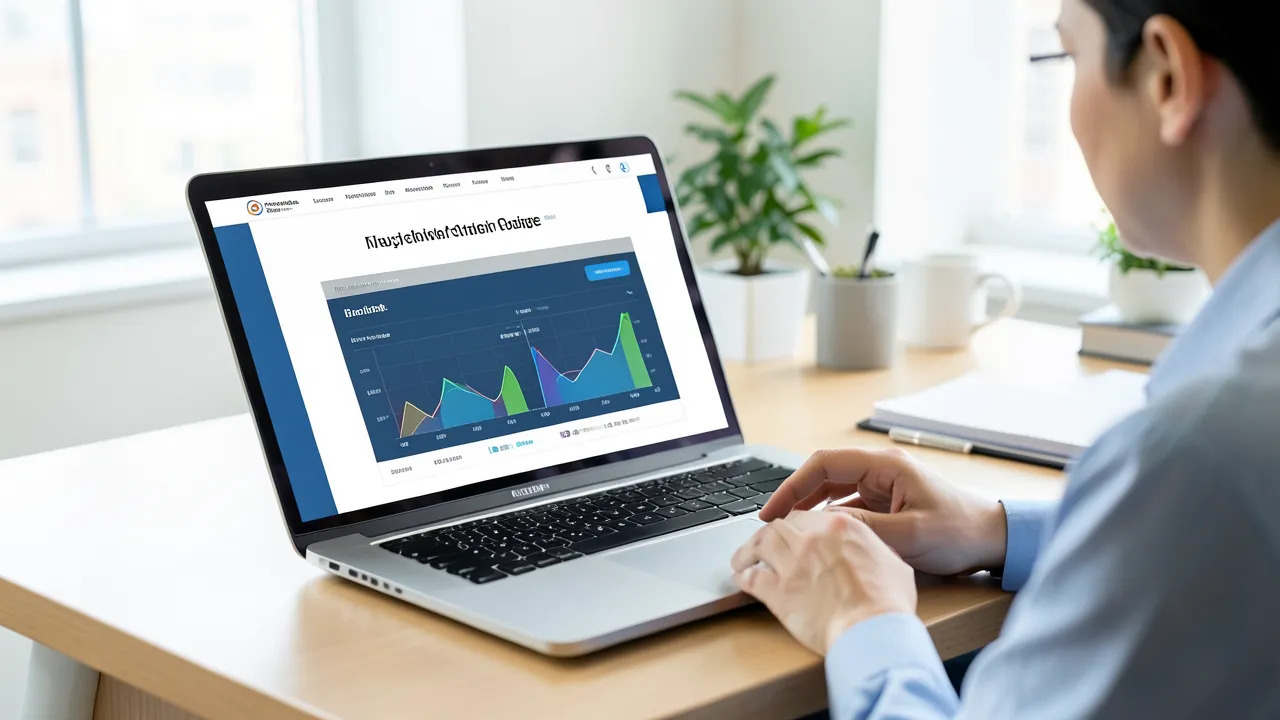
Visitors do not land on a page by accident; they arrive with a question, a need, or a concern about whether you can solve their problem. A landing page earns attention only when it answers those concerns quickly and convincingly. The strongest pages do not rely on decoration alone. They combine clarity, relevance, trust, and a clear path forward so that visitors can act with confidence.
The headline should state the value without delay.
Your headline is the first test of relevance. If it is vague, visitors leave before they understand what you offer. If it is specific, they keep reading because they see a possible match between their need and your solution.
Make the promise easy to grasp.
A strong headline speaks to an outcome rather than a feature list. Instead of focusing on what your product is, focus on what it helps the visitor achieve. For example, a service page should explain the result, the speed, or the problem it removes.
Support the headline with a short subheading.
The subheading gives you space to clarify the offer. You can explain who it is for, what makes it different, or what the next step looks like. This small addition often reduces friction because the visitor does not need to guess.
The design must guide attention toward one action.
A landing page is not a homepage. It should not compete with multiple goals. The layout should lead the eye to the main call to action and remove distractions that weaken focus.
Use visual hierarchy with intent.
Size, contrast, spacing, and position all shape how visitors read the page. The most persuasive pages make the primary message easy to scan and the action button easy to find. When several elements demand equal attention, conversion rates usually suffer.
Keep the page uncluttered.
A clean design helps the visitor process the offer without strain. That does not mean empty space for its own sake; it means every element earns its place. One practical principle is to remove anything that does not support the decision to act.
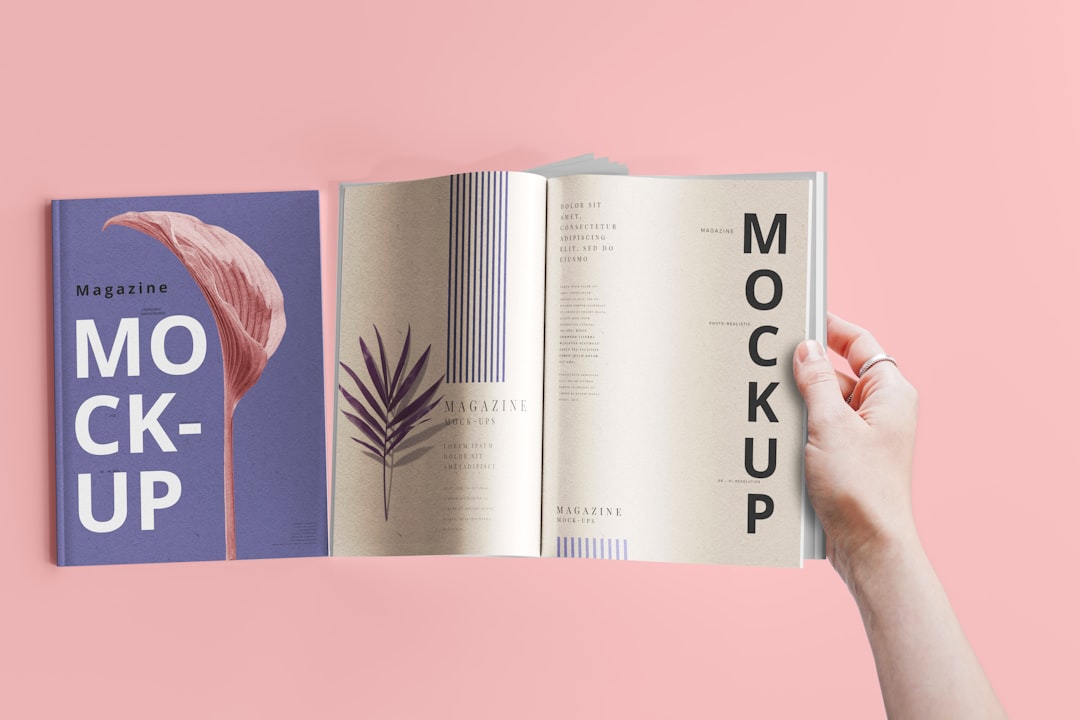
If your landing page sits within a broader brand system, consistency also matters. Readers who move from ads, brochures, or email to the page should feel that everything belongs together. For a useful perspective on alignment across formats, see Brand consistency across print and digital channels.
The call to action should be obvious and persuasive.
A landing page converts when the action is clear. Visitors should never wonder what happens next or whether the button leads to something relevant. The best calls to action are simple, direct, and aligned with the offer.
Choose action words that feel specific.
“Get started,” “Book a consultation,” and “Download the guide” are clearer than generic labels. The wording should reflect the commitment required. A high-friction offer may need a softer first step, while a low-friction offer can ask for direct action.
Repeat the call to action at natural points.
People do not read every page in the same way. Some decide quickly; others need more information. Repeating the action after key sections gives both types of visitors a convenient route forward without forcing them to scroll back up.
Proof reduces hesitation more effectively than claims.
A page can say it is trustworthy, but proof makes that belief easier to accept. Visitors look for signals that other people have used your offer successfully or that your process has real expertise behind it.
Use testimonials, case studies, and numbers.
Short testimonials work well when they mention a concrete result. Case studies help even more when they explain the starting point, the action taken, and the outcome. Data points can also help, especially when they are specific and believable rather than exaggerated.
Show trust signals where doubt appears.
Certifications, client logos, awards, guarantees, and secure-payment indicators can calm concerns at the moment they arise. These elements should not feel decorative. They should sit close to the parts of the page where a visitor may hesitate.
The page content should answer objections before they stop the conversion.
A visitor often needs reassurance about cost, timing, effort, or fit. If your page ignores these questions, the visitor may leave to look for answers elsewhere. Addressing objections within the page keeps momentum intact.
Write with the visitor’s concern in mind.
Think about the reasons someone might hesitate. Will this work for my situation? How much does it cost? How long will it take? What if I am not ready yet? A landing page that anticipates these questions feels more helpful and more credible.
Keep explanations concise and practical.
Avoid long blocks of persuasive copy that repeat the same message. Short sections, clear headings, and direct answers are easier to absorb. The goal is not to say more; the goal is to remove uncertainty efficiently.
Good content can also appear in supporting assets, not only on the page itself. If you use downloadable material as a lead magnet, presentation quality affects whether people trust the offer. That is where Brochure design that gets read in a digital world can offer a helpful point of reference for structuring readable, effective material.
Forms should ask only for what you truly need.
Every extra field increases resistance. If your form is too long, visitors may abandon it before submitting. A form that feels manageable tends to perform better because it respects the visitor’s time.
Reduce friction wherever possible.
Ask for the minimum information needed to continue the conversation. If you can collect extra details later, save them for a follow-up step. The fewer decisions a visitor must make, the easier it becomes to complete the form.
Make privacy and expectations clear.
People want to know what happens after they click. A short note about response time, privacy, or next steps can reduce anxiety. This reassurance is especially useful on pages asking for contact details or booking information.
The best pages feel focused, credible, and easy to act on.
Landing page performance rarely depends on one dramatic feature. It comes from a sequence of small decisions that support the visitor from first glance to final click. When the message is specific, the design is clean, the proof is convincing, and the form is simple, conversion becomes a natural next step rather than a leap of faith.
- State the main benefit in the headline as quickly as possible.
- Keep one primary action and make it visually obvious.
- Use proof to support claims and reduce hesitation.
- Answer common objections before they interrupt the decision.
- Trim forms to the minimum fields needed.
- Maintain consistency with the rest of your marketing assets.
- Repeat the call to action at sensible points across the page.
A landing page that converts does not try to impress everyone. It speaks clearly to the right visitor, gives them the reassurance they need, and makes the next step feel straightforward.