








How adult smokers can read vape device specifications
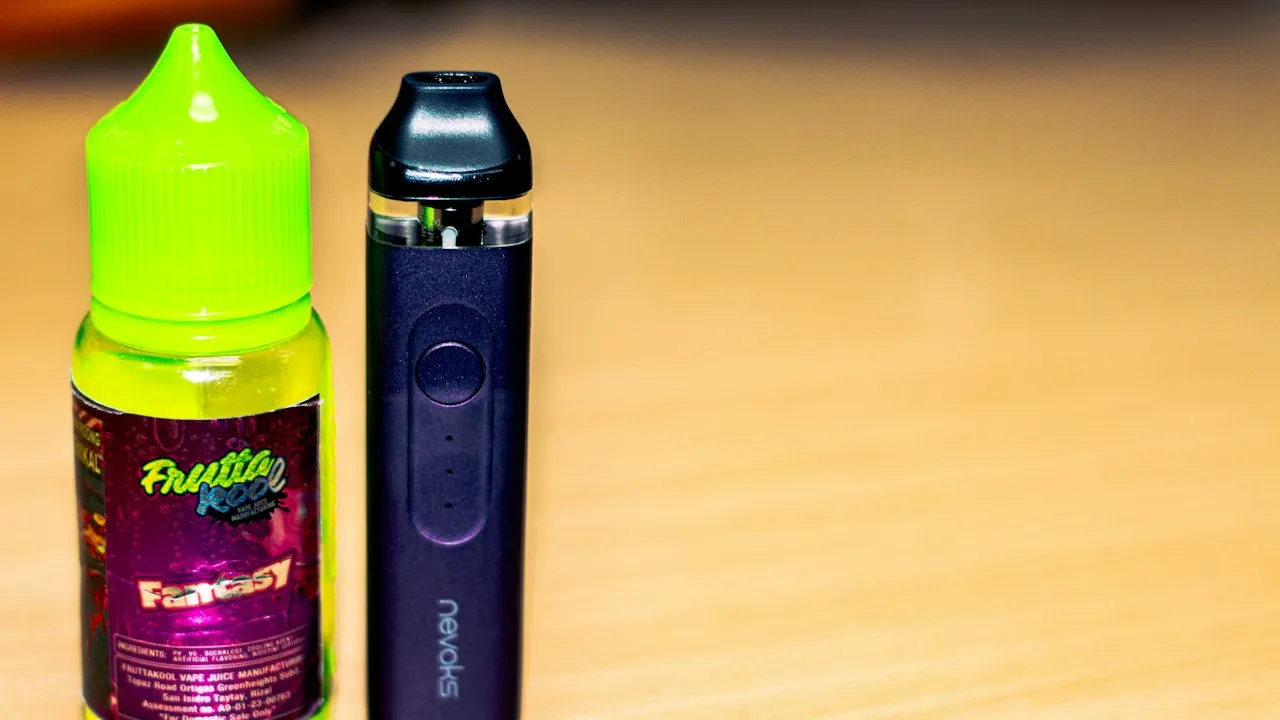
Adult smokers comparing vape devices often face dense product pages, small packaging text and unfamiliar abbreviations. A useful choice starts with separating the hardware questions from nicotine decisions: the device determines how it is charged, filled and maintained, while the e-liquid determines nicotine strength and flavour. Clear labels, consistent comparison tables and readable safety information can make this process less confusing, without presenting vaping as risk-free.
Start by reading the device format and intended use
The product name may say “pod,” “starter kit” or “mod,” but these labels alone do not explain how a device works. Look for the format, refill method, battery size, pod capacity and compatible replacement parts. Product pages should state these details near the price, rather than hiding them within technical tabs or footnotes.
A refillable pod device is usually compact and designed for use with replaceable or refillable pods. It may suit an adult smoker who values portability and limited setup. A vape kit can offer more battery capacity, adjustable settings or interchangeable coils, but it can also require more regular maintenance and a better understanding of power settings.
For a vocabulary overview and comparisons of electronic cigarette formats, adult readers can view the guide. Guides focused on vaping hardware commonly explain terms such as pods, tanks, coils, wattage and airflow. They can help readers compare refillable systems with prefilled formats and identify the consumables required after the initial purchase. Check that any guide distinguishes product features from health claims and points readers towards current safety information.
Product information should answer practical questions
A well-designed package or online listing should make the following points easy to find:
- Is the pod refillable, replaceable, or both?
- Does the device use fixed coils or removable coils?
- Which e-liquid types are compatible with the pod or tank?
- Is a USB-C cable included?
- Are replacement pods and coils sold by the same retailer?
- Does the device have a button, draw activation, or both?
These details matter because the cheapest initial kit may become inconvenient if compatible pods are difficult to obtain. Clear comparison pages benefit from consistent icons, plain-language labels and enlarged technical specifications, especially on mobile screens.
Compare battery capacity, charging and pod capacity together
Battery capacity is normally shown in milliampere-hours, written as mAh. A higher number often indicates that the battery can operate for longer between charges, but real-life battery life also depends on coil resistance, power output, vaping frequency and device settings. A 1,000 mAh device is not automatically “better” than a 500 mAh model if it is larger than you wish to carry or if its replacement parts are unavailable.
Charging information deserves equal attention. USB-C has become common on newer devices, while some older products use other connections. Look for stated charging time, whether the cable is supplied and whether the manufacturer gives clear guidance about charging safely. Avoid relying on vague phrases such as “fast charging” when no charging specification is provided.
| Specification | What it means | What you should check |
|---|---|---|
| Battery capacity, mAh | Stored battery capacity | Expected daily use, size and charging routine |
| Charging connection | The port used to recharge | USB-C availability, cable inclusion and safety instructions |
| Pod capacity, ml | E-liquid volume held in the pod | Local legal limits and how frequently you are willing to refill |
| Coil resistance, ohms | Electrical resistance of the coil | Compatibility with the device and recommended power range |
| Wattage range, W | Power delivered to the coil | Whether the device is adjustable or preset |
| Airflow control | How tight or open the draw feels | Preference for a cigarette-like or airier draw |
Marketing language can simplify these specifications, but it should not replace them. A product card that says “all-day battery” is less useful than one that provides mAh capacity, charging details and realistic conditions affecting battery life.
Check the refill system and replacement-part supply
Before selecting a device, identify every item you may need after the first purchase. Refillable pods require e-liquid, while closed-pod systems require specific replacement cartridges. Vape kits with replaceable coils may require compatible coils, a tank section and occasional seals or glass parts.
Consumable availability affects the long-term usability of a device. Check the retailer’s stock pages, the manufacturer’s compatibility list and the pack quantity of replacement pods or coils. If a device has several versions, confirm that accessories match the exact model name, not merely the brand.
Coil information affects maintenance and performance
A coil heats the e-liquid to create aerosol. Packaging may list coil resistance, recommended wattage and the intended vaping style. Lower-resistance coils can use more power and e-liquid, while higher-resistance coils are often used at lower power. Follow the manufacturer’s specified range rather than making unsupported adjustments.
Coils and pods are consumables. A reduction in flavour, a burnt taste or leaking may indicate that a component needs replacing. Product information should state how to prime a new coil where relevant, how to fill the pod, and which liquids are suitable for the device.
Keep nicotine guidance separate from hardware claims
Nicotine strength is an e-liquid decision, not evidence that one device is safer than another. Labels may show nicotine as mg/ml or as a percentage. Read the concentration carefully, especially when comparing products from different markets or brands.
If you are an adult smoker considering a switch, seek advice from a qualified healthcare professional or local stop-smoking service about quitting smoking and managing nicotine use. Nicotine is addictive, and vaping products are not suitable for young people, non-smokers, or people for whom nicotine use is contraindicated. Follow age restrictions, product warnings and local regulations.
Safety statements should be legible on both packaging and web pages. Look for battery warnings, child-safety advice, e-liquid handling instructions and manufacturer contact information. Be cautious of absolute claims such as “harmless,” “healthy” or guaranteed quitting outcomes.
Clear specifications support more confident device comparisons
When comparing vape hardware, focus on the information that will affect day-to-day use rather than relying on promotional language alone. Strong product pages pair readable design with precise technical data, enabling adult smokers to compare like for like.
Key points to retain include:
- Device format determines portability, refill method and maintenance needs.
- Battery capacity should be read alongside charging type, power settings and expected use.
- Pod, coil and replacement-part compatibility can shape ongoing cost and convenience.
- Nicotine strength belongs to e-liquid selection and should be read carefully.
- Clear safety warnings and transparent packaging claims are more useful than broad promises.
A carefully chosen vape setup begins with readable specifications, available consumables and realistic expectations. Taking time to compare product information can help you select a device that matches your practical preferences while keeping nicotine and safety considerations in view.