







How Isernia restaurants create a memorable Molise wine experience
For travellers seeking a restaurant in Isernia, the best meal is rarely defined by a single plate or bottle. It comes from the connection between regional ingredients, an attentive welcome and a wine choice that feels easy to understand. Molise has a quiet but distinctive food identity, and restaurants that present it clearly can turn dinner into a lasting memory. From a well-designed wine list to a thoughtful cheese pairing, every detail can help you choose with confidence.
Tintilia del Molise gives the table a regional voice
Tintilia del Molise deserves a visible place on any serious Isernia wine list. This native red grape produces wines with personality, often showing dark berry fruit, violet notes, spice, earth and a firm but approachable structure. Depending on the producer and vintage, it may be fresh and youthful or deeper and more savoury after ageing.
For diners, Tintilia offers a direct route into the territory. Rather than selecting a familiar international grape, you can taste a wine tied to Molise’s hills, climate and small-scale producers. A restaurant can support that choice with a short, welcoming description: explain the style, name the producer, indicate whether the wine is light, medium or full-bodied, and suggest one or two dishes from the menu.
“A memorable bottle is not chosen by expertise alone, but by the story it lets you taste.”
Restaurants can also offer Tintilia by the glass in two styles, such as a younger, fruit-forward option and a more structured reserve. This lowers the commitment for solo travellers, couples and diners who want to compare wines during a meal.
For broader inspiration on local drinking culture, regional food and wine destinations, a good drinking guide can help you discover the vocabulary of Italian bottles, culinary traditions and place-based hospitality. Such guides are especially useful when you want to move beyond generic tasting notes and understand how a wine belongs beside local recipes. They can also help you identify producers, food routes and dining ideas around Isernia and the wider Molise region.
A clear wine list makes local choices feel accessible
Wine-list design is a practical marketing tool, not merely a catalogue of labels. Visitors may be eager to try Molise wines but hesitate when faced with a long list containing unfamiliar producer names and appellations. Restaurants can remove that friction through clear visual hierarchy and plain language.
A useful list can group wines by drinking style first, with sections such as fresh whites, structured whites, light reds, regional reds and dessert wines. Tintilia should be easy to find, perhaps under a short heading such as “Molise signatures.” Include the producer, vintage, serving format and price, followed by a concise description of flavour and body.
Graphic choices matter as well. Good spacing, readable type and restrained use of colour make a list easier to scan in low evening light. Small symbols can indicate wines available by the glass, organic production or dishes recommended by the kitchen. These cues should remain simple, since too many icons create uncertainty rather than guidance.
Restaurant storytelling should stay specific and useful
The strongest menu language avoids grand claims and gives diners tangible details. Instead of describing a bottle as “exceptional,” a restaurant might write: “Tintilia from hillside vineyards near Campobasso, with blackberry, pepper and a dry finish. Suggested with grilled lamb or aged pecorino.”
Stories can also appear beyond the wine list. A small card on the table, a chalkboard feature or a server’s brief introduction can mention the vineyard area, the family behind the winery or the reason a particular bottle suits the season. Accessible wine storytelling lets you engage with local culture without requiring specialist knowledge.
Local food pairings can guide the meal naturally
Isernia dining becomes more rewarding when food and wine recommendations are built into the menu. Tintilia’s acidity and tannin make it a strong partner for rustic dishes with grilled, roasted or slow-cooked character. It can work particularly well with lamb, pork sausages, game preparations, mushroom dishes and pasta served with rich meat sauces.
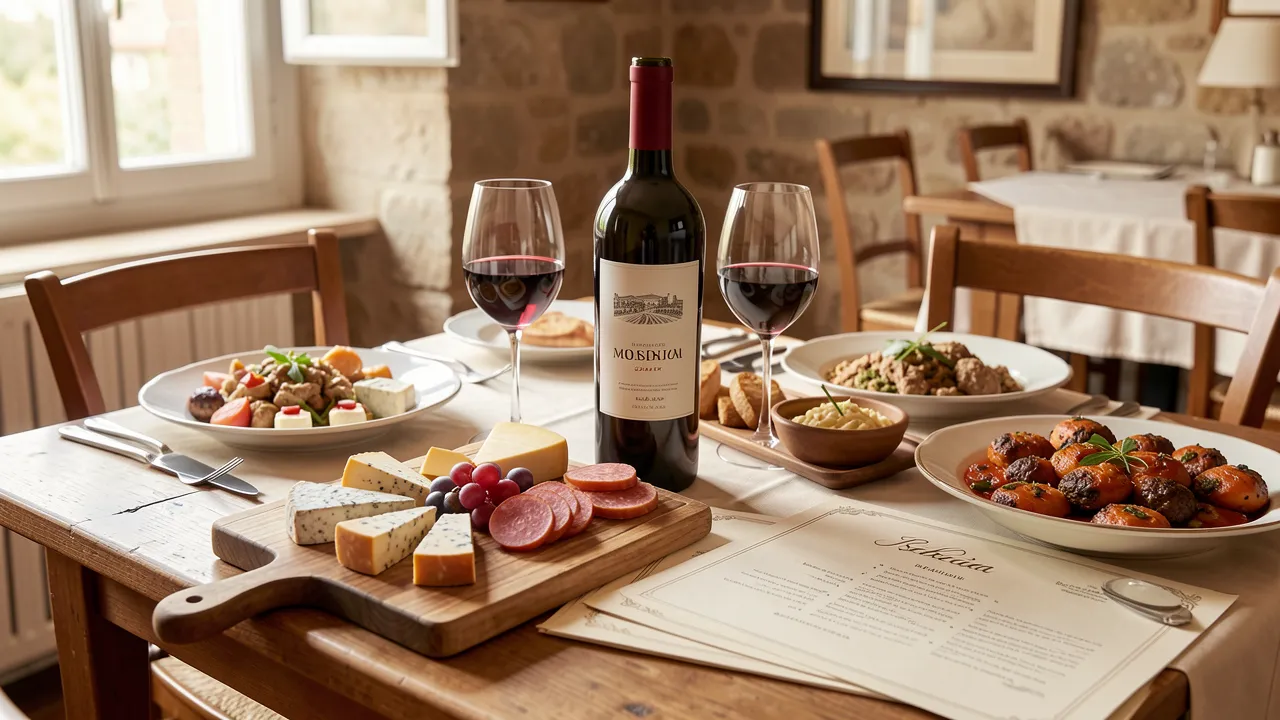
A regional cheese board gives restaurants another opportunity to introduce Molise wines. Young pecorino or fresh cow’s milk cheeses can sit comfortably beside a lighter local white, while aged pecorino, caciocavallo and smoked cheeses often have the depth to meet a medium-bodied Tintilia. Serve the cheeses with local bread, walnuts, honey or preserves, but keep portions balanced so that sweetness does not dominate the wine.
Pairing notes should offer choices, not rules
Not every diner wants a full bottle of red with every traditional dish. A restaurant can offer flexible guidance:
- suggest a chilled local rosé with cured meats and lighter starters;
- recommend a Molise white for fresh cheese, vegetables and river fish;
- pair Tintilia with grilled meats, ragù and aged cheeses;
- offer a half bottle or carafe for travellers who want to try more than one wine;
- include a non-alcoholic local option alongside each pairing suggestion.
This approach respects different appetites, budgets and preferences while keeping the regional identity visible.
A well-presented Molise meal stays with you
The best local restaurants in Molise make regional wine feel welcoming rather than intimidating. Look for menus that name producers, describe flavours plainly and connect bottles to dishes you can actually order. A restaurant that serves Tintilia with knowledge, designs its wine list with care and celebrates Molise ingredients gives you more than dinner: it offers a genuine sense of Isernia’s table culture.
When choosing where to eat, favour places where food, wine and presentation support one another. You are more likely to leave with a satisfying meal, a better understanding of Tintilia del Molise and a bottle worth remembering.